Tampa Bay Waterfront Homes: What Buyers Should Know Beyond the View
Tampa Bay Waterfront Homes: What Buyers Should Know Beyond the View
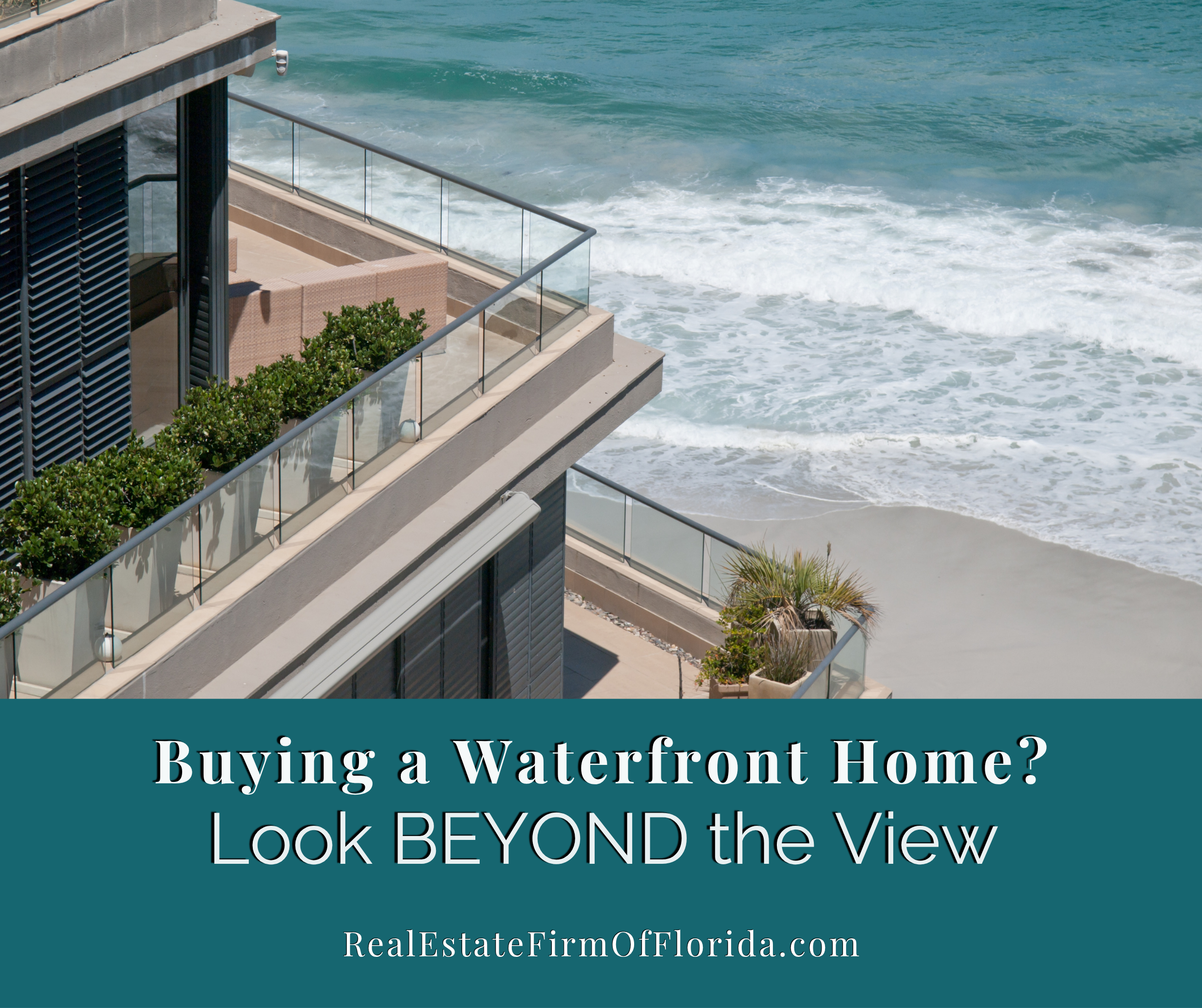
There’s a reason waterfront homes in Tampa Bay get so much attention.
A sparkling water view, a private dock, a quiet canal, or easy access to boating can make a property feel like the Florida dream. Whether you’re searching in Clearwater Beach, St. Pete Beach, Belleair, Treasure Island, Dunedin, Apollo Beach, or another waterfront community, it’s easy to picture mornings by the water and evenings watching the sunset.
But buying a waterfront home involves more than falling in love with the view.
Tampa Bay waterfront homes can come with additional questions about flood zones, insurance, seawalls, docks, boating access, maintenance, storm preparation, and long-term ownership costs. The property may be beautiful, but the details still matter.
This guide covers:
- What buyers should consider before touring waterfront homes
- The difference between a water view and usable water access
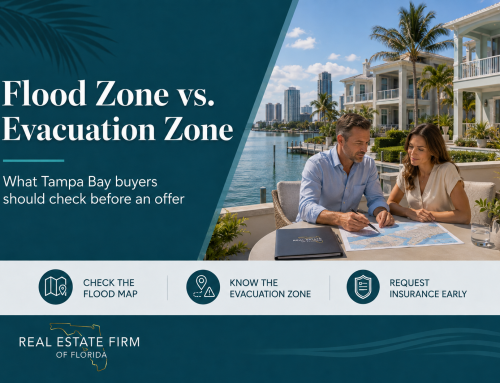
- Why flood zones and evacuation zones aren’t the same thing
- What to ask about insurance
- How docks, seawalls, and lifts may affect your decision
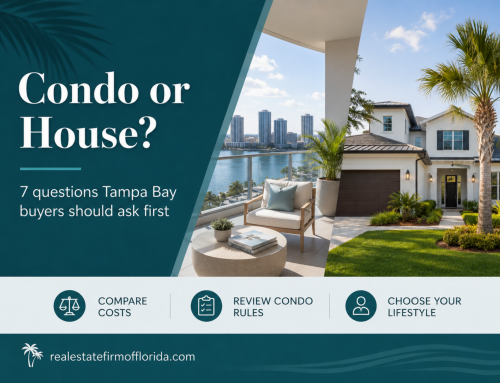
- What condo buyers should review
- Questions to ask before making an offer
Here’s a closer look.
Why Tampa Bay Waterfront Homes Appeal to Buyers
Waterfront living means different things to different buyers.
For some, it’s about boating. For others, it’s about kayaking, paddleboarding, fishing, or simply enjoying the view with a cup of coffee in the morning.
Some buyers want a full-time residence. Others are looking for a vacation home, seasonal property, retirement home, or luxury condo near the Gulf Coast.
Tampa Bay waterfront homes may include:
- Gulf-front condominiums
- Bayfront homes
- Canal-front homes
- Intracoastal properties
- Homes with docks
- Properties with boat lifts
- Waterfront townhomes
- Luxury penthouses
- Homes with water views but no direct water access
- Properties near marinas or boat ramps
That variety is part of the appeal, but it’s also why buyers need to look carefully at the specifics of each property.
A waterfront home should fit the way you actually want to live.
Start With the Right Kind of Waterfront Property
Not every waterfront property offers the same lifestyle.
Before you begin touring homes, think about what you really want from the water.
Ask yourself:
- Do I want a view, direct access, or both?
- Do I plan to own a boat?
- Would I use a kayak or paddleboard?
- Is fishing important?
- Do I want Gulf access?
- Do I need a private dock?
- Would access to a nearby marina be enough?
- Am I looking for a condo with less exterior maintenance?
- Do I want a primary home or a seasonal property?
- How much maintenance am I comfortable managing?
A water view may be perfect for one buyer. Another buyer may need navigable water, a suitable dock, and access that works for a specific type of boat.
These are different searches.
You can browse Real Estate Firm of Florida’s Tampa Bay lifestyle property searches and use the interactive map search to explore current waterfront opportunities.
A Water View Isn’t the Same as Water Access
This is one of the most important distinctions buyers should understand.
A property may be marketed as waterfront because it overlooks a pond, lake, canal, bay, or the Gulf. That doesn’t automatically mean the water is usable for boating, kayaking, fishing, or swimming.
Before making an offer, ask:
- What type of water does the property face?
- Is the water navigable?
- Is there direct Gulf or bay access?
- Are there bridges along the route?
- Is the water depth suitable for the type of boat you own or plan to own?
- Are there tidal considerations?
- Does the property have a dock?
- Is a boat lift included?
- Are there restrictions on dock construction or improvements?
- Is the shoreline maintained by the homeowner, an association, or another entity?
Don’t assume that a beautiful view automatically supports the lifestyle you have in mind.
Review Flood Zones Early in Your Search
Flood-zone questions should come up early when you’re considering Tampa Bay waterfront homes.
FEMA’s official Flood Map Service Center allows buyers to search flood-map information by property address.
A flood zone can help you understand the property’s level of flood risk, but it shouldn’t be the only factor you consider. Your lender and insurance professional can help explain how the property’s location may affect your financing and coverage needs.
In Pinellas County, officials make an important distinction: flood zones, evacuation zones, and storm-surge considerations aren’t the same thing.
A flood zone relates to flood risk. An evacuation zone relates to emergency planning during a hurricane or major storm. Buyers should understand both.
Ask:
- What flood zone is the property in?
- Has the home experienced previous flooding?
- Will my lender require flood insurance?
- What coverage should I consider even if it isn’t required?
- What is the home’s elevation?
- Are there storm-surge considerations?
- What evacuation zone applies to the address?
- Are there improvements that may reduce risk?
- Are important systems elevated or protected?
The goal isn’t to panic. It’s to understand the property clearly before you move forward.
Ask About Flood Insurance and Homeowners Insurance
Insurance should never be an afterthought when you’re buying near the water.
The Florida Department of Financial Services explains that flood insurance can help pay to repair or rebuild a home and replace damaged personal property after rising-water damage. Florida law doesn’t generally require homeowners to carry flood insurance, but a mortgage lender may require it for a specific property.
A standard homeowners policy and a flood-insurance policy don’t necessarily cover the same things.
That’s why buyers should speak directly with a qualified insurance professional before the applicable contract deadlines expire.
Ask your insurance professional:
- What homeowners coverage is available for this property?
- Is separate flood insurance recommended or required?
- What does the flood policy cover?
- What deductibles apply?
- Are there exclusions I should understand?
- Does the roof age affect coverage?
- Are wind-related considerations relevant?
- Would mitigation features affect the premium?
- What documents or inspections will the insurer need?
- How could the property type affect coverage?
If you’re buying a condo, ask how the association’s master policy and your individual unit policy work together.
Every property is different. Get answers for the specific home you’re considering.
Look Closely at Seawalls, Docks, and Boat Lifts
The outdoor waterfront features may be some of the property’s biggest selling points, but they may also require maintenance, repairs, or specialized inspections.
Depending on the home, you may need to evaluate:
- Seawall condition
- Dock condition
- Boat-lift condition
- Pilings
- Electrical service near the dock
- Lighting
- Railings
- Shoreline erosion
- Permits
- Maintenance history
- Repair records
- Association rules
- Local restrictions
A standard home inspection may not cover every waterfront feature in depth.
Ask whether a specialized evaluation is appropriate. A qualified professional can help you understand the visible condition of the dock, seawall, lift, or other improvements.
It’s also important to ask what is included in the sale.
Don’t assume the lift, dock equipment, outdoor furniture, or other waterfront accessories automatically convey with the property. Review the listing details and contract carefully.
Think About Maintenance Before You Fall in Love
Waterfront living can be wonderful, but it may require a different maintenance mindset.
Salt air, sun exposure, moisture, wind, and storms can affect exterior materials over time. The specific maintenance needs will depend on the property’s location, construction, systems, and features.
Before making an offer, consider:
- Exterior paint and finishes
- Windows and doors
- Outdoor lighting
- Metal fixtures
- Decking
- Railings
- Pool equipment
- Landscaping
- Irrigation
- Roof condition
- Drainage
- Dock and seawall upkeep
- Storm preparation
- Seasonal property monitoring
A full-time resident may be comfortable managing these details. A seasonal buyer may prefer a condo or lower-maintenance property where some responsibilities are handled by an association.
Neither option is automatically better. The right choice depends on your lifestyle.
Condo Buyers Should Review More Than the View
A waterfront condo can offer a low-maintenance lifestyle, shared amenities, and beautiful views without the responsibilities that come with owning a standalone waterfront home.
But condo buyers still need to ask careful questions.
Review:
- Monthly association fees
- What the fees include
- Current and upcoming assessments
- Maintenance responsibilities
- Parking
- Guest parking
- Storage
- Pet restrictions
- Rental restrictions
- Renovation rules
- Balcony responsibilities
- Hurricane-protection requirements
- Association financial documents
- Insurance responsibilities
- Building inspections and reserve considerations when applicable
A beautiful condo may look move-in ready, but the financial and association details can affect your long-term experience as an owner.
Ask for the current documents and review them carefully before your applicable deadlines.
Consider How You’ll Use the Home
A waterfront property should work for your real life, not just your vacation mindset during a showing.
Think about your plans.
Will this be your:
- Primary residence?
- Retirement home?
- Seasonal home?
- Weekend escape?
- Vacation property?
- Long-term investment?
- Future full-time home?
If you’ll be away for part of the year, consider how the home will be monitored and maintained.
Ask:
- Who will check the property while I’m gone?
- How will storm preparation be handled?
- Does the community have rental restrictions?
- Is exterior maintenance manageable?
- Would a condo make more sense?
- Do I need storage for recreational equipment?
- How important is proximity to restaurants, beaches, marinas, and daily services?
The right Tampa Bay waterfront home should support your day-to-day priorities as well as your long-term goals.
Questions to Ask Before Making an Offer
Before making an offer on a waterfront property, ask:
- What type of waterfront does the home offer?
- Is the water access usable for my plans?
- What flood zone applies?
- What evacuation zone applies?
- What insurance coverage is available?
- Are flood insurance and wind coverage considerations clear?
- Has the property experienced flooding or storm damage?
- What is the condition of the roof?
- What is the condition of the dock, seawall, lift, or shoreline?
- Are permits and maintenance records available?
- What does the association maintain?
- Are there assessments or major projects planned?
- Are there rental, pet, parking, or renovation restrictions?
- What inspections should I schedule?
- What ongoing maintenance should I budget for?
These questions aren’t meant to take the excitement out of buying a waterfront home.
They’re meant to help you make a confident decision.
FAQ About Tampa Bay Waterfront Homes
What should I check before buying a waterfront home in Tampa Bay?
Review the flood zone, insurance options, evacuation zone, seawall condition, dock condition, boating access, roof age, maintenance history, and any association rules. The right questions will depend on the specific property.
Is a waterfront home the same as a water-access home?
Not always. A home may have a view of the water without offering usable boating, kayaking, or fishing access. Confirm what type of water access the property actually provides.
Do I need flood insurance for a Tampa Bay waterfront home?
It depends on the property and your financing. A lender may require flood insurance. Even when it isn’t required, speak with an insurance professional about the property’s risk and your coverage options.
Are flood zones and evacuation zones the same thing?
No. A flood zone relates to flood risk. An evacuation zone is used for emergency planning during storms. Buyers should understand both for the specific address.
Should I get a seawall or dock inspection?
A specialized evaluation may be helpful when a property includes a seawall, dock, boat lift, or other waterfront feature. Ask your REALTOR® and inspector which professionals should evaluate the property.
Are waterfront condos easier to maintain than waterfront homes?
They may be, depending on the building and association responsibilities. Review the current association documents, fees, assessments, insurance responsibilities, and maintenance rules before making a decision.
Final Thoughts
Tampa Bay waterfront homes can offer an incredible lifestyle, but the best purchase decisions go beyond the view.
The right home should fit your budget, your maintenance preferences, your insurance considerations, and the way you actually plan to enjoy the water.
Real Estate Firm of Florida helps buyers explore waterfront properties throughout Tampa Bay with practical guidance and local insight.
Browse our Tampa Bay lifestyle property searches, use the interactive map search to view current listings, or contact Real Estate Firm of Florida to discuss your waterfront home search.
Call our Pinellas office at (727) 584-8480 or our Hillsborough office at (813) 961-6000.
Are You Buying or Selling a Home in Tampa Bay?
You can use this website to search homes for sale in Tampa Bay and all its communities. Our site is directly connected to the Tampa Bay MLS, and we update our listings every hour. You can even use our site to create your own account and get emails as soon as a new home hits the market, price change alerts and so much more.
While you’re here, check out these listings:
Get Instant Access to Hot New Listings by Filling Out the Form Below